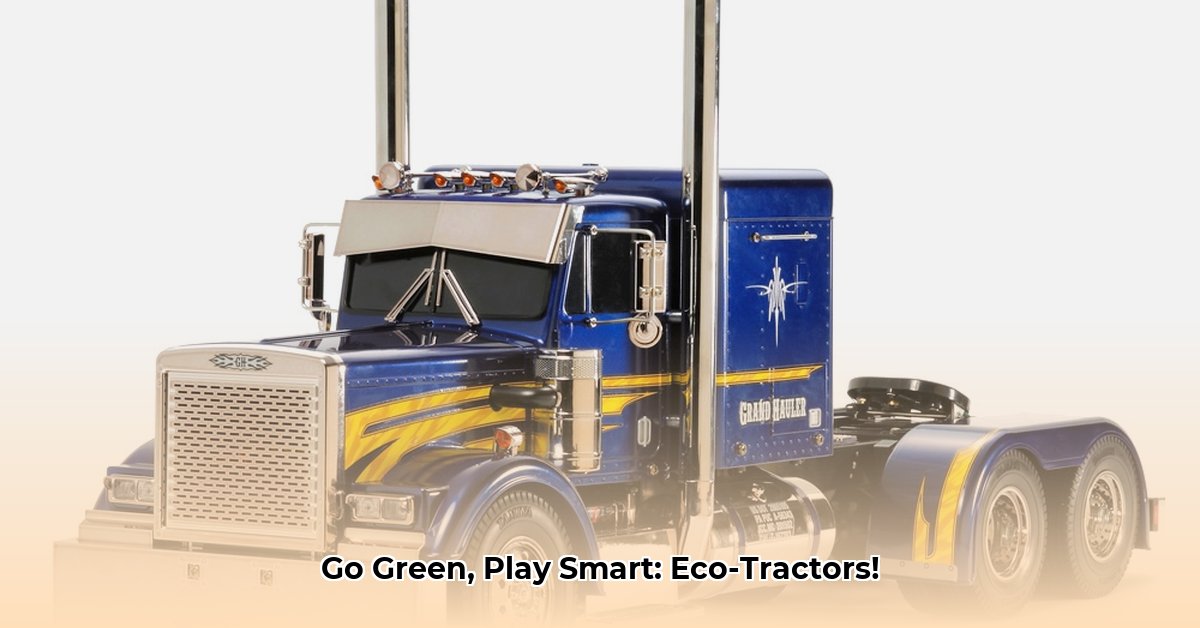
Remote Control Tractor Trucks: A Green Revolution in Playtime
Kids adore remote-control toys, and tractor trucks are no exception. But what if we could make this playtime even better for the planet? The demand for eco-friendly toys is surging, creating a significant opportunity for manufacturers and a growing market for conscientious consumers. It’s a win-win: happy kids and a healthier planet. But the journey to truly sustainable RC tractors presents several key challenges. For example, check out this Fisher-Price tractor as a starting point.
The Challenges of Going Green
Creating genuinely sustainable remote control tractors isn't simple. It requires balancing affordability, durability, and fun with minimized environmental impact. A major hurdle is cost. Eco-friendly materials like recycled plastics or bamboo are often more expensive than traditional alternatives, potentially limiting accessibility for some families. Transparency is crucial; we need clear, honest information about a toy's environmental footprint—no more "greenwashing." Parents deserve to know exactly what they are buying. How can we bridge this gap between eco-conscious ideals and consumer affordability?
What Makes a Tractor Truly "Green?"
A truly eco-friendly remote control tractor considers its entire lifecycle, from creation to disposal. Key factors include:
Materials: Using recycled plastics, bamboo, or other sustainable materials is vital. However, the source of these materials is equally important: were they sustainably harvested and produced using renewable energy?
Manufacturing: The production process must be clean and efficient, utilizing renewable energy and minimizing emissions. This involves multifaceted considerations, as numerous production factors contribute to a toy's carbon footprint.
Packaging: Eco-friendly packaging, such as recycled and recyclable materials, is essential. Reducing packaging overall is even better.
Durability & Recyclability: A durable, long-lasting toy minimizes replacements. Repairability and recyclability at the end of its life are key to minimizing waste and resource consumption.
The Path Forward: Working Together
Encouragingly, some manufacturers are already implementing sustainable practices, reducing their carbon footprint and using verified programs to offset emissions. However, broader collaboration is needed. This requires a concerted effort from manufacturers, certification organizations, environmental groups, and consumers. What specific actions can each stakeholder take to accelerate the transition towards truly sustainable toys?
What You Can Do
Consumers hold significant power. By demanding transparent labeling and verifiable claims, you can incentivize manufacturers to adopt more responsible practices. When shopping, look for certifications guaranteeing eco-friendliness. Prioritize durable, long-lasting toys made from easily recycled materials. Support companies committed to sustainability—your purchasing choices directly influence market trends. What specific brands and certifications are leading the way in sustainable toy manufacturing?
How to Choose Truly Sustainable Remote Control Tractor Toys
Key Takeaways:
- The market for children's remote-control tractors is expanding, driven by the desire for engaging, educational play.
- Safety, durability, and realistic design are crucial for parents.
- Choosing sustainable options requires considering materials, manufacturing, and the toy's lifespan.
- Manufacturers should prioritize battery technology improvements and enhanced safety features.
- Consumers should seek durable, repairable toys made from recycled or sustainable materials.
The Growing Appeal of Eco-Friendly Fun
Children love mimicking the adult world. What better way than with a miniature, remote-controlled tractor? This isn't just about fun; it fosters imaginative play and sparks curiosity about farming and the environment. But how do you choose a toy that's also kind to the planet? This careful consideration is vital to ensuring sustainable play.
What Makes a Tractor Toy Sustainable?
Sustainability encompasses the entire toy's lifecycle. The following factors are crucial in making an informed choice:
Materials: Choose toys made from recycled plastics or sustainably sourced wood. Avoid excessive packaging and consider the environmental impact of the materials.
Manufacturing: Research the brand’s production practices. Do they prioritize ethical labor and environmentally sound processes?
Durability and Longevity: A long-lasting toy reduces the need for replacements, minimizing waste. Opt for sturdy designs and repairable components.
Energy Efficiency: Battery lifespan and charging efficiency matter. Longer-lasting batteries reduce replacements and waste.
Packaging: Is the packaging recyclable or biodegradable? Avoid excessive plastic wrapping.
Beyond the Toy: A Bigger Picture
Choosing sustainable toys is a small step in raising environmentally conscious children. It teaches them to value longevity and reduce waste. It's about making informed choices and supporting manufacturers who prioritize sustainability. Your purchase sends a powerful message about your values.
Decoding the Specs: What to Look For
Choosing a durable, safe, and sustainable toy is a multi-step process. Here's a guide:
| Feature | Description | Sustainable Consideration |
|---|---|---|
| Materials | Plastics, metals, wood | Recycled plastic, sustainably sourced wood, minimal use of harmful chemicals. |
| Battery | Type, voltage (12V vs. 24V), lifespan | Rechargeable batteries (Lithium-ion preferred), longer life span, easy replacement |
| Durability | Construction quality, resistance to wear and tear | Robust design, repairable parts, high-quality materials |
| Remote Control | Range, features, frequency (2.4GHz is often better) | Energy efficiency of the remote, battery life |
| Packaging | Type of packaging material | Recyclable or compostable packaging, minimal packaging |
Buying a sustainable toy is an investment in a healthier planet and your child's future. It's a significant step in teaching environmentally responsible practices from a young age.